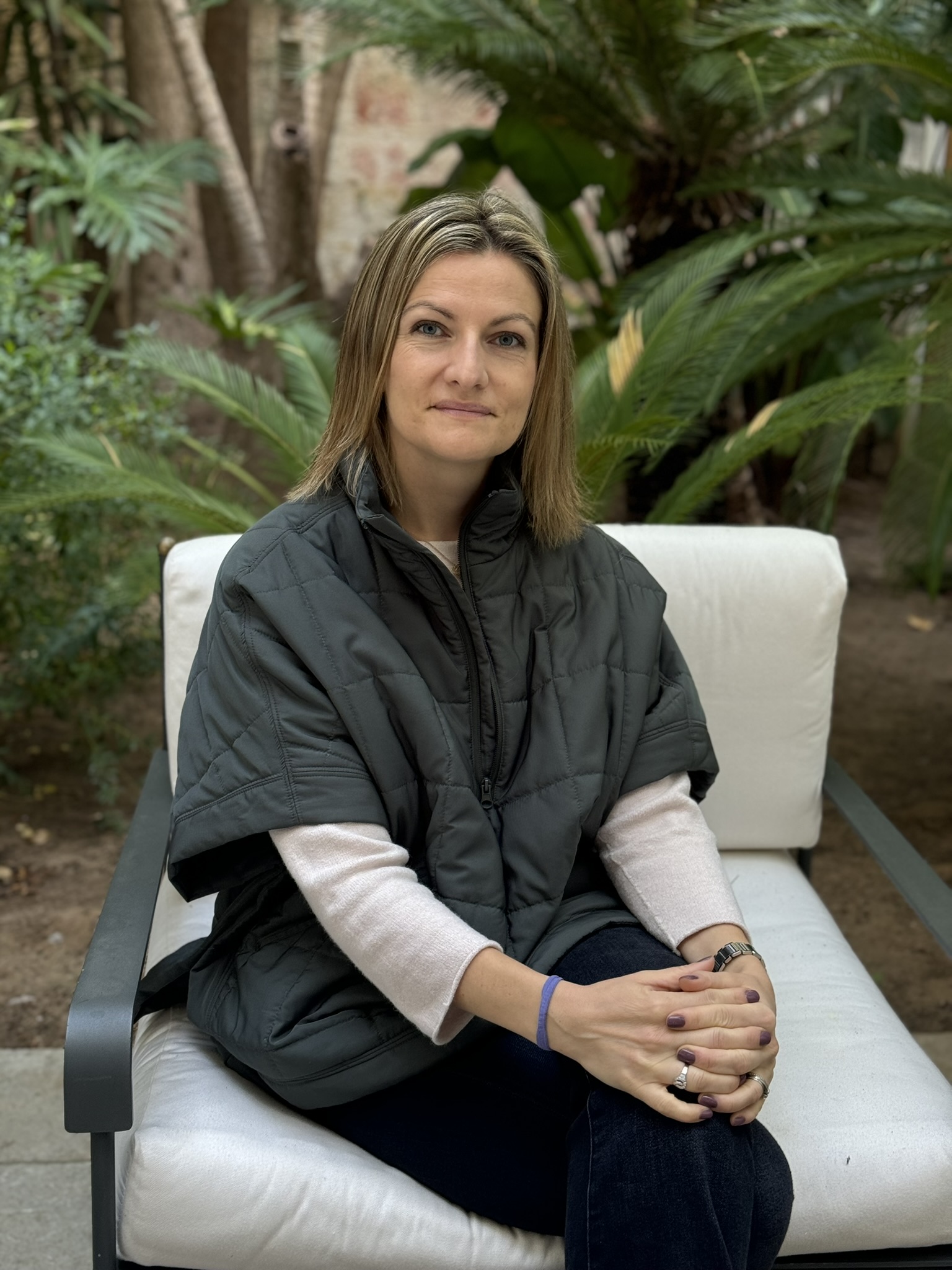
Asya is a Boston-based writer whose work about identity, multiculturalism, and other sources of joy and confusion appears in The Boston Globe, The Rumpus, Pangyrus, NPR‘s Cognoscenti, The Brevity Blog, Design Museum Magazine, and Harvard Innovation Labs’ venture stories, with a new essay forthcoming in Liberties.
Born in Moscow, Asya moved to the US in 1990. An interest in international and cultural studies led her to Georgetown University, where she earned a dual degree in French and Studio Art, and then to the London School of Economics for an MSc in Media & Communications. Next stop was Copenhagen, where she developed campaigns and wrote for many of Denmark’s top global design, lifestyle, tech and bioscience companies.
Today, Asya is completing an MFA in Creative Writing at Emerson College in Boston, serving as Editorial Assistant for The Best American Essays series, and working on a memoir.

At my gym, I can vibe, ignite, achieve, bodypump, bodyjam, and more. If only I knew what that meant.
The Boston Globe | May 2025
Not long ago, right around Valentine’s Day, my phone lit up with a text message: “Want to vibe by candlelight tomorrow?”
Forgive my middle-aged heart’s fluttering — my inbox rarely gets such action.
But this wasn’t a sultry invitation from my husband or a would-be paramour. It came from my gym buddy.

The relentless impressionism of immigration: Shubha Sunder’s Optional Practical Training
The Rumpus | April 2025
It is a rare gift—when you have been contemplating a formative experience for decades—to come across a work of art that breaks down and recreates that experience in a new constellation. For me, that nearly lifelong experience has been immigration, and the work of art reconfiguring it in new light is Shubha Sunder’s new novel, Optional Practical Training (Graywolf, 2025).

No silos, no hidden truths, and no shitty first drafts: A Q&A with Nicole Graev Lipson
Brevity Blog | April 2025
Nicole Graev Lipson’s memoir in essays, Mothers and Other Fictional Characters, examines myriad female archetypes and the ways in which women perform, internalize, and defy cultural expectations. Asya Partan spoke with Lipson about crafting intricate, intimate, award-winning narratives, word by word.

For Ukrainians, it’s been 1,000-plus days of life underground
WBUR Cognoscenti | March 2025
One of Grarup’s photographs showed Ukrainians sleeping on the floor of an underground metro station-turned-makeshift-bunker. The advertisement for an online marketplace pasted on a metro column read, in Ukrainian: ‘Click on what you want.’ There is no end to the dark ironies of war.

Getting the Last Laugh: Alexei Navalny’s Patriot
The Rumpus | December 2024
I began writing “humor” in the margins every time it appeared. By the end of the book, over half the pages had made me smile or laugh—though often through tears—the butt of the jokes first, the absurdism of the Soviet “system,” then Putin’s continuation of the Soviet legacy of oppression and corruption, and, finally, the prisons where Navalny spent his last years.

Navalny and the dissemination of hope
The Boston Globe | February 2024
There is no easy alchemy for morphing grief into hope. Even if we grasped that Navalny’s life hung in the balance, that it was likely just a matter of time, our hearts are still reluctant to assent. It’s one thing to mourn the death of a human being ― an intelligent, optimistic beam of light who saw a path for realizing Russia’s potential. It’s something else to mourn our collective hope.

The trouble with Danish happiness
Pangyrus Literary Magazine | February 2024
Why hadn’t I been able to find happiness in the happiest place on earth? I’d spent just a few years in Copenhagen, and a decade and a half more trying to figure out the answer to that question. Maybe The Trouble with Happiness could shed some light on where things — or I — had gone wrong.

Harmonies: Translating my mother’s memoir
The Boston Globe Magazine | January 2024
Over the past decade, my mother and I have spent hundreds of hours huddled together, she with her Russian-language memoir in hand, I at my laptop, translating her recollections into English. We’ve shared my desk in Brookline as we’ve refined the words together — often laughing, sometimes silently wiping away tears.

100 years after Lenin’s death, his curse still grips Russia
The Boston Globe | Ideas | January 2024
Last Sunday, upon waking up, I reached for my phone and typed “Lenin news” into the browser search bar. A peculiar way to start the day, but I needed to know: Would the man who died 100 years ago — on Jan. 21, 1924 — finally get buried?
Can we lose COVID – but keep the new outlook it gave us?
The Boston Globe Magazine | March 2023
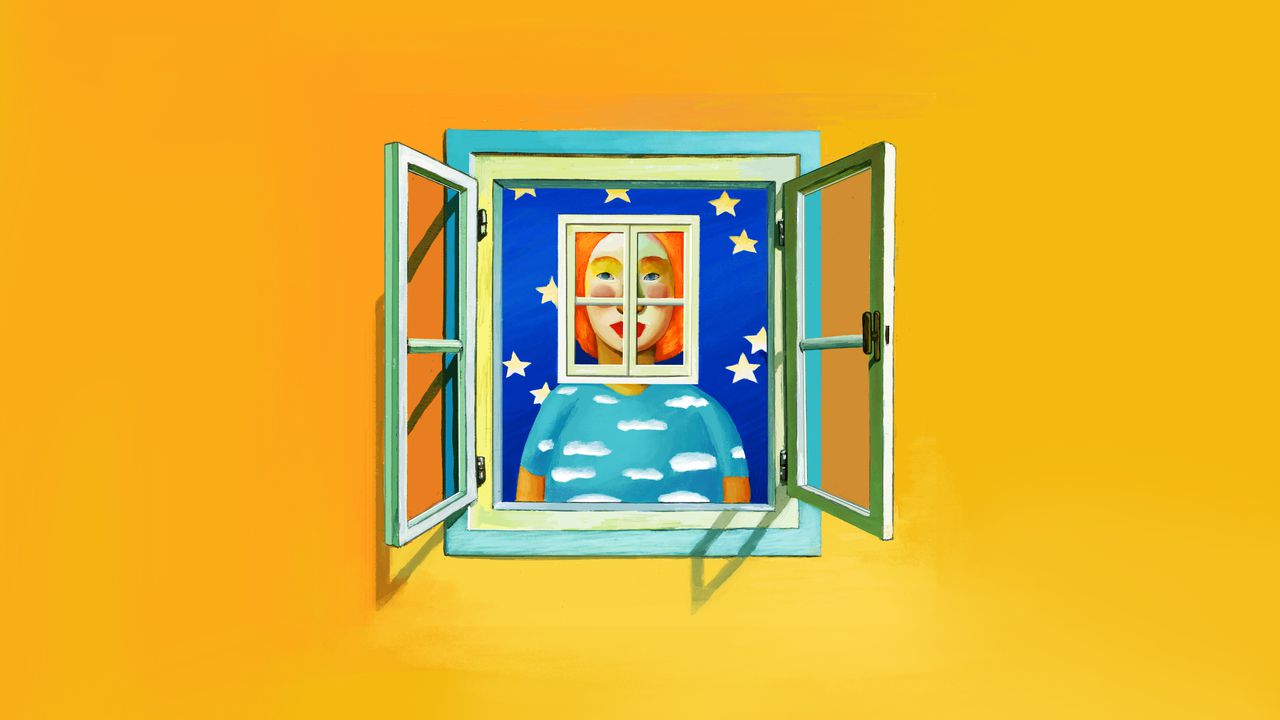
Some days, being the same age as my professors and missing all my classmates’ TikTok references makes me squirm in my desk chair. Still, going back to school for creative writing at 41 is one of the best things I’ve ever done. And yet I wonder: Would I have made the leap if it hadn’t been for COVID?

I’m a Russian in the diaspora. None of us can be complacent.
WBUR Cognoscenti | February 2023
As a Russian-born person turbulently infuriated with my birth country, the raw chicken exacerbated my already profound sense of shame for Russia, and my concern for how Russians are now perceived around the globe. To have representatives of our culture behave irresponsibly and not care a whit didn’t sit right at all.

Why people in my native Russia aren’t protesting the attacks on Ukraine
WBUR Cognoscenti | May 2022
Propaganda works by weaving strands of lies into a cloth of generally accepted truth. When you get confused and turn to the TV (many Russians’ main source of information) and get all your questions answered by a single, clear narrative … well, you’re only human. Comrades seek clarity. Comrades seek comfort. Propaganda 101.

Awakening Cities: Transforming the Built Environment with Sound & Light
Design Museum Magazine | August 2018
Imagine you’re near Fenway Park, Lansdowne Street on a summer night. As you approach the gigantic steel structure that supports the Green Monster, you hear a rhythm emanating from its bays. Not from a concert within the stadium, but from the actual wall. Then, you see that wall light up, and realize there are people in those bays, drumming on the beams like they’re instruments.

Celebrating Plastic-Free July with the AquaPlastic Team
Harvard Innovation Labs | July 2019
The stats are hard to swallow. Over 40% of plastic – invented in 1907 and, by many measures, a miracle material – is used just once. Plastic bottles and bags take up to 1,000 years to biodegrade (for context: 1,000 years ago, in the Middle Ages, only about 250 million people lived on Earth; guns didn’t exist; a Viking became the first European to set foot in America; and forests covered 45-60% of the Earth’s surface, compared to today’s 31%).
Goodwings: Sustainable Travel That’s Truly Good
YUME Magazine | November 2017
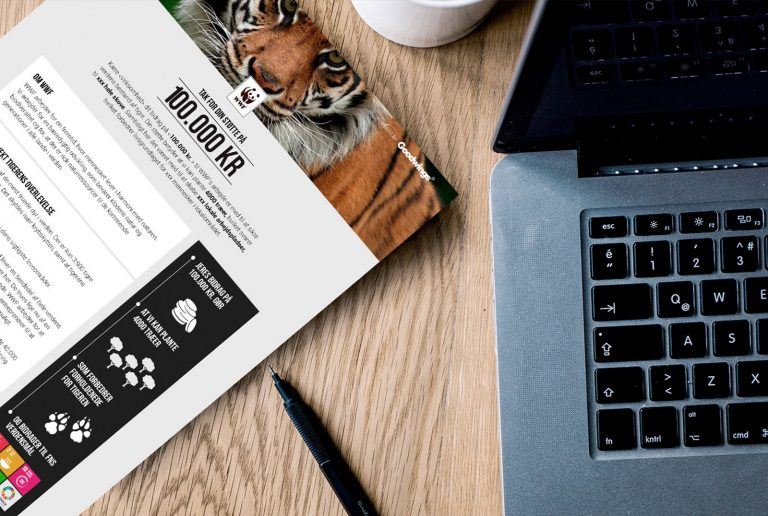
When we think about sustainable travel, we tend to imagine the physical journey or the destination.
But what if travel became sustainable the moment you began typing in your dates and destinations? What if the very act of booking a trip was enough to make a difference in the world?
This is the premise behind Goodwings.

YUME Magazine | September 2017
Maybe it’s because the steady chug-chug of a train is reminiscent of a heartbeat. Maybe it’s the hypnotic speed with which the immediate surroundings – stations, barriers, passing trains – blur from view, while the big picture evolves slowly, pulling at the heartstrings.

Worth waiting for: Yayoi Kusama at the Hirshhorn in DC
CulturePeel | April 2017
100 seconds in Kusama’s ethereal universes – for five hours of waiting. Even if you add the peep-show style exhibits with shorter queues, the works on the wall, and the floor installations, the experience of Kusama’s art doesn’t last much longer than an hour. You reach your limit physically and emotionally.
Was it worth it? Every single patience-testing moment.

CulturePeel | February 2017
“What am I going to make for dinner, but what do We do about the world?” Last spring, I didn’t find this question – uttered with raw despair by Girlfriend in Jackie Sibblies Drury’s play Really – particularly striking as I first read the script.
Not overly concerned with the state of the world, I was enjoying the return of sunshine and the confirmation that our visions were being validated: Hillary Clinton appeared on track to become our first female presidential nominee, perhaps president.
A second home: the Scandinavian design revival in the US
Lauritz | April 2012
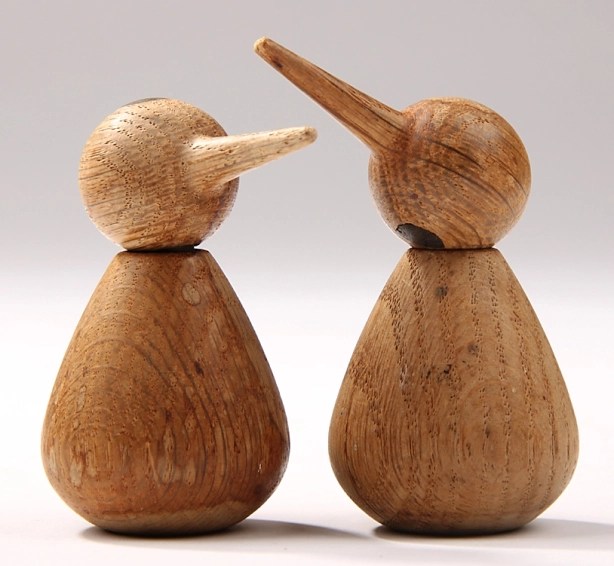
In recent years, mid-century classics have been joined by a flood of new Scandinavian favourites. Whatever forces are responsible for the re-ignited trans-Atlantic love affair – globalization, a growing penchant for the smart, simple and sustainable, or even Oprah’s famous visit to Denmark – Scandinavian design is enjoying an American renaissance that extends far beyond the pages of the IKEA catalogue.

Lauritz | August 2013
Mad Men grips viewers around the world with its characters and storylines. But for those with an eye for art and design, the show is just as much about its visual feast of impeccably curated mid-century style.
Lauritz | October 2012
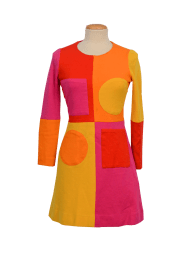
This year, as Helsinki celebrates its bicentennial as Finland’s capital – and its status as World Design Capital 2012 – we can’t resist the urge to contemplate and enjoy the diverse, innovative, and colorful universe of Finnish style.

Let Your Baby Sleep Outside? Surprising parenting wisdom from Scandinavia
Babble | December 2010
A few weeks ago, I watched the hit documentary ‘Babies’ and, like many other moms, I’ve spent many a moment since re-evaluating my parenting style and wondering why I went into such a panic last summer when my now 16-month-old son, Oliver, happily devoured a healthy portion of goose droppings at the park.
Lauritz | May 2013
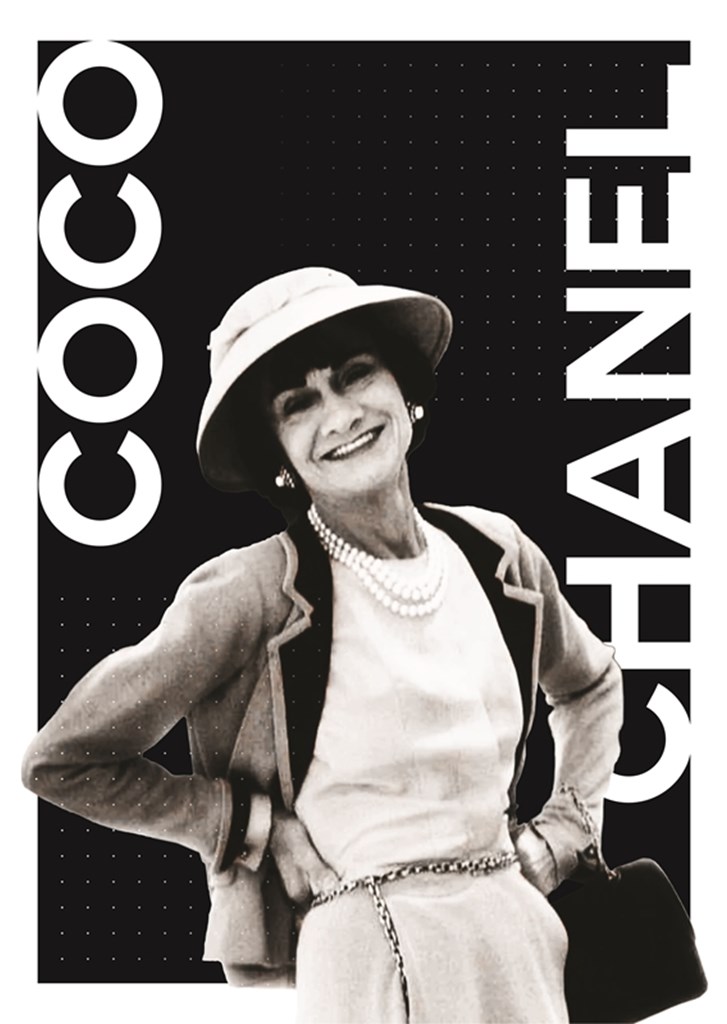
Unlike the vast majority of fashion designers before and after her, Chanel didn’t believe in fashion trends. Following the motto “fashion fades – only style remains the same,” she ignored conventions – and tapped into a universal sense of style and comfort based on the way women really live and move.
How German Design Immigrated to America
Lauritz | May 2012
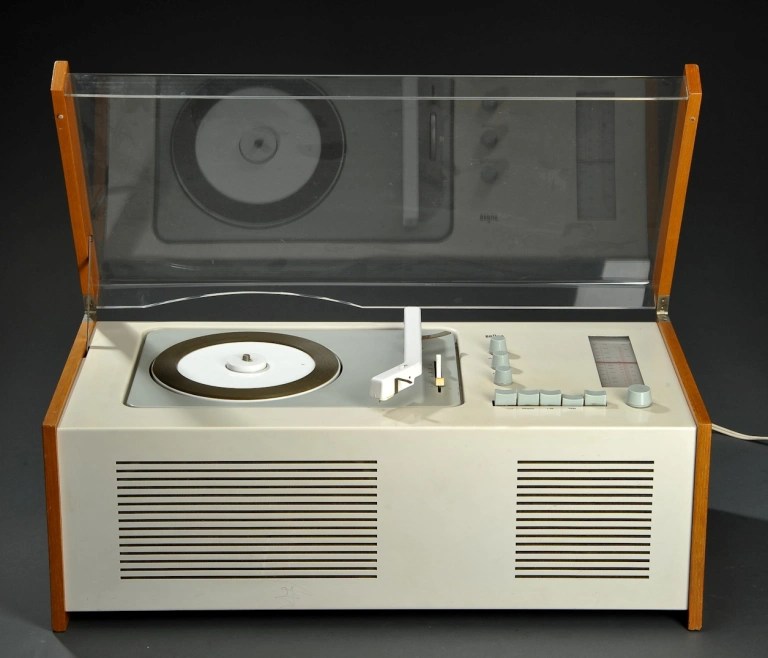
For most Americans, encounters with Apple’s iMac, iPod, iPhone and iPad don’t immediately conjure up thoughts of Germany. And yet the master-mind behind Apple’s iconic designs, British-born industrial designer Jonathan Ive, is quite open about the profound influence German industrial designer Dieter Rams has had on his work. Rams, in turn, has said that Apple is one of the few companies that genuinely understands “good design.

The Dramatic Story of Russian Orthodox Icons
Lauritz | February 2012
Today, the Russian government also considers icons quite valuable – and even forbids the export of any works over 100 years old without permis-sion. But it was not always so. Actually, the Russian icon’s colourful history reads a bit like an art crime bestseller, filled with tales of persecution, passion, hatred, destruction, smuggling – and a return to grace.
 asyapartan.com
